Homeownership and commercial property upkeep in South Florida demands diligent attention, especially given the region’s weather extremes. Roofline Roofing emphasizes the importance of regular roof inspections as a foundational step in asset preservation for both residential and commercial properties. Understanding the inspection process ensures that property owners can manage their roofs effectively, mitigating risks associated with tropical storms and high heat.
A thorough roof inspection identifies needed repairs and preemptive maintenance that are essential for prolonging roof lifespan and ensuring property safety. By grasping what each phase of an inspection entails—from preliminary assessments to detailed reports—property owners arm themselves with actionable insights. These insights not only protect the roof’s integrity but also enhance property value while optimizing energy efficiency in Florida’s demanding climate. Through informed roof management, homeowners and commercial managers can safeguard their investments against potential damage, ensuring peace of mind in the face of unpredictable weather challenges.
Expectations Set: Understanding the Inspection Process
Understanding the roof inspection process in Sarasota can be a significant factor for residential and commercial property owners. With tropical storms and intense sun, roofs in this region experience unique challenges. Property owners need to be informed on what to expect during these inspections to effectively manage their asset preservation strategy.
During a roof inspection, inspectors assess the roof’s condition, identify necessary repairs, and help establish a maintenance schedule. According to the Insurance Institute for Business & Home Safety (IBHS), roof maintenance can significantly decrease damage and extend roof lifespan by years, all while saving on energy costs. Here’s what property owners can expect during a detailed inspection process.
**Preliminary Assessment**
Typically, inspections begin with an overall evaluation of the roof’s visible condition. This involves checking for common issues such as missing, cracked, or curling shingles, signs of algae or moss growth, and visible sagging. The inspector will also look at roof flashing around chimneys, vents, and skylights. Statistics from the National Roofing Contractors Association show that these areas are common sources of leaks when improperly sealed.
**Structural Integrity Check**
Inspecting structural components forms a crucial part of the process, especially in Sarasota’s climate, prone to heavy rain and wind. Inspectors will examine the decking, trusses, and support beams from the attic to check for weaknesses or water intrusion signs like stains or mold. This step is vital since overlooked structural damage could lead to severe problems, requiring extensive repairs, and could compromise the building’s safety.
**Detailing of Roof Materials**
Material-specific inspections depend on the type of roof. For instance, a metal roof’s longevity is assessed by checking for corrosion or loose seams, while a tile roof inspection focuses on identifying cracked or misplaced tiles. According to a study by the Florida Solar Energy Center, appropriate roof materials and regular inspections help regulate interior temperatures, reducing energy bills by up to 20%, which is critical given Sarasota’s heat.
**Gutter and Drainage System Analysis**
Gutters and drainage systems are inspected to ensure proper water flow and to prevent standing water, which can cause leaks and damage. The American Society of Home Inspectors emphasizes that well-maintained gutters protect both roofs and foundation by efficiently channeling rainwater away, which is particularly essential in Florida’s rainy season.
**Roof Penetration Inspection**
Areas of roof penetration like skylights, chimneys, and vents require specialized attention due to vulnerability to leaks. Inspectors check these areas to ensure seals and boots remain intact. Penetrations should be thoroughly examined due to their complex integration with the roofing material, often becoming a weak point under harsh conditions as reported in IBHS studies.
**Documentation and Reporting**
A crucial part of the inspection is the documentation phase. Inspectors provide a comprehensive report outlining findings, including photographs and specific details about each component inspected. This report not only documents current conditions but aids in future comparison, helping to track changes and necessary maintenance actions over time.
**Recommended Repairs and Maintenance Advice**
Based on the findings, the inspector will recommend repairs or maintenance measures to address any problems discovered. They may also advise a follow-up schedule for re-inspections, particularly after major weather events. Research from the Building Envelope Research Program highlights that routine inspections and preventive measures can prevent up to 80% of roof replacement costs.
In Sarasota, where weather extremes test roofing systems, understanding this detailed inspection process empowers property owners to take proactive measures. Timely interventions minimize damage, save money, and assure the soundness of their structures. By familiarizing oneself with this process, property owners not only protect their investment but also maintain their property’s value and safety.
Key Areas of Focus: What Inspectors Look For
Commercial and residential property owners in Bradenton should understand the specific key areas inspectors pay attention to during roof inspections. These focal points are critical for assessing the roof’s overall condition and longevity, ensuring that no issues are overlooked.
Check for Weather Damage
The climate in Bradenton is characterized by high humidity, heavy rains, and sometimes hurricane-level winds. Inspectors focus on identifying weather-related damage first. Wind can cause shingles to lift or become misaligned, while rain might lead to pooling water, contributing to leaks and deteriorating support structures. Scrutiny of potential storm damage is paramount. According to a study by the Federal Emergency Management Agency (FEMA), roofs in hurricane-prone areas like Florida are best examined for loose materials that could become projectiles in high winds, creating safety hazards.
Evaluate Insulation and Ventilation
Proper insulation and ventilation can’t be ignored. An inspection entails checking these elements carefully since they significantly affect the roof’s performance and energy efficiency. Properly insulated and ventilated attic spaces prevent heat buildup that can blister roofing materials and diminish their life span. According to the U.S. Department of Energy, adequate ventilation in combination with quality insulation can cut heating and cooling costs by 10 to 15%, which is essential in Bradenton’s warm climate.
Examine Roof Surface and Subsurface
Inspection goes beyond superficial shingle assessments. Inspectors also evaluate the membrane or felt beneath the shingles, which acts as a second barrier to moisture. In fact, the Institute of Roofing finds that 30% of roofing issues can be attributed to problems with subsurface layers. By catching these problems early, property owners can avoid costly repairs.
Spot Persistent Moisture
Moisture damage can be insidious, often escaping notice until significant damage has occurred. During inspections, particular attention is given to any signs of water penetration, such as water spots on ceilings or walls, and any musty smells indicating mold growth. The Florida Department of Health reports that mold can exacerbate respiratory issues, underscoring the importance of identifying and mitigating moisture risks promptly.
Analyze Roof Transitions
Inspectors often scrutinize areas where the roof meets walls or other structural parts, known as roof transitions. These junctions are especially vulnerable, as poor flashing or inadequate sealing can lead to leaks. A roof transition improperly managed may not withstand heavy rain or shifting temperatures, leading to significant water intrusion.
Inspect for Pests and Vegetation
In Bradenton, subtropical conditions create a lush environment not just for plants, but pests too. Inspectors keep an eye out for evidence of wildlife access or overgrown vegetation, which can cause damage. For instance, roots from nearby trees may intrude into the roofing structure, while pests such as rodents or insects can infiltrate small openings. The National Pest Management Association advises property owners to regularly trim back trees to prevent branches from resting on roofs and causing these types of problems.
Review Previous Repairs
If the roof has undergone repairs, the effectiveness of these fixes is reviewed. Understanding the repair history helps inspectors identify patterns or persistent issues. According to statistics from the Roof Coatings Manufacturers Association, recurring repairs in similar spots may indicate deeper issues that a comprehensive inspection could uncover. Pinpointing these recurring faults leads to more effective and lasting solutions.
By focusing on these specific aspects of a roof inspection, property owners in Bradenton can harness valuable insights. The thorough examination ensures both immediate and future concerns are addressed, fostering a proactive approach to roof management. Proper attention to these key areas can extend roof lifespans, safeguard properties against extreme weather conditions, and preserve both aesthetic and structural integrity. Understanding the inspector’s emphasis areas provides insight into best practices safeguarding your roofing investment.
Post-Inspection Considerations: Next Steps Explained
Once a detailed roof inspection in Longboat Key is complete, the real work begins. Understanding what to do next is crucial for both residential and commercial property owners wishing to extend the life of their roofs and protect their investments. Here’s a breakdown of important post-inspection considerations including the advantages you can expect from well-timed roof repairs.
Prioritize Repair Recommendations
After the inspection, you will receive a list of repair recommendations. It’s important to prioritize these based on urgency, impact on the roof’s integrity, and budget constraints. Immediate attention should be reserved for critical issues like active leaks, extensive shingle damage, or structural faults that compromise the roof’s stability. Addressing these can help prevent further deterioration and potentially higher costs down the road.
Schedule Post-Inspection Roof Repair in Longboat Key
Once priorities are established, arrange for the necessary repairs. Longboat Key is no stranger to the harsh conditions that necessitate swift action; scheduling your post-inspection roof repair promptly ensures measures are taken before issues worsen. Engaging a professional, licensed roofing contractor to carry out these repairs guarantees quality workmanship and adherence to local building codes.
Invest in Preventative Maintenance
Consider the recommendations made by your inspector regarding preventative maintenance. Routine maintenance, such as gutter cleaning, minor shingle replacements, and regular inspections, can significantly extend the roof’s lifespan – a point consistently noted by roofing industry studies. Essentially, preventative maintenance acts as an investment, minimizing future repair costs and enhancing the roof’s performance.
Assess Warranty and Insurance Policies
Review your roof’s warranty status and insurance coverage in light of the inspection report. Ensure that any repairs or replacements meet the warranty stipulations to maintain coverage. For property owners in Longboat Key, it’s necessary to align repairs with the stipulations of both manufacturer warranties and home insurance policies, particularly in this storm-prone region.
Monitor Post-Repair Performance
After completing the recommended repairs, it’s advisable to monitor the roof’s performance, especially in the first few months. Look for signs that any issues persist or if there’s improvement in areas such as energy efficiency or leak prevention. Document any concerns and discuss them with your roofing professional promptly to stay ahead of potential problems.
Plan for Future Inspections
Lastly, schedule regular roof inspections moving forward. It’s wise to synchronize these inspections with seasonal changes or after significant weather events typical to South Florida. By doing so, property owners can identify and address minor issues early on, which is supportive of long-term roof performance.
These post-inspection considerations ensure that property owners in Longboat Key can make informed decisions that enhance roof longevity and functionality. Through timely repairs, strategic planning, and continuous monitoring, they will safeguard their properties against the unpredictable Florida climate, all while optimizing their investment and sustaining peace of mind.
You might be asking
What key areas do inspectors focus on during a roof inspection?
Inspectors focus on crucial areas such as the condition of shingles or tiles, flashing around chimneys and vents, the structural integrity of the roof, and any signs of water damage. They also check for proper drainage and the state of gutters and downspouts.
How can homeowners prepare for a roof inspection?
Homeowners can prepare by removing debris from the roof and ensuring clear access to the attic. It’s helpful to note any leaks or water stains inside the house. Arranging for pets and children to be in a safe area away from the inspection site is also advisable.
What happens if significant issues are found during an inspection?
If significant issues are discovered, the inspector will provide a detailed report outlining the problems. Homeowners will receive recommendations for repairs or replacements as necessary. It may be wise to obtain estimates from qualified roofing contractors to address the issues promptly and prevent further damage.
Next Steps
Taking informed action post-inspection is key for maintaining or enhancing the lifespan of your roof in Longboat Key. Start by addressing the most urgent repairs to prevent further deterioration and ensure the overall integrity of your structure. Quick scheduling of these repairs with a professional, licensed roofer will not only protect your roof but also maintain compliance with local regulations. Preventative maintenance should become routine, addressing minor issues before they escalate, thus securing long-term savings and performance benefits.
Regular monitoring and strategically planned inspections, especially following weather events, ensure your roof remains in top condition. Checking your warranty and aligning repairs with insurance stipulations can further safeguard your investment. For detailed guidance tailored to your specific roofing needs or to simplify maintenance planning, you can benefit from a free consultation with Roofline Roofing. This engagement offers insights unique to your property, enabling you to further protect your roofing investment in South Florida’s challenging climate. Feel free to reach out and learn how we can support your roof management goals.
Contact Us
Use the form below to contact us or to schedule a free consultation.
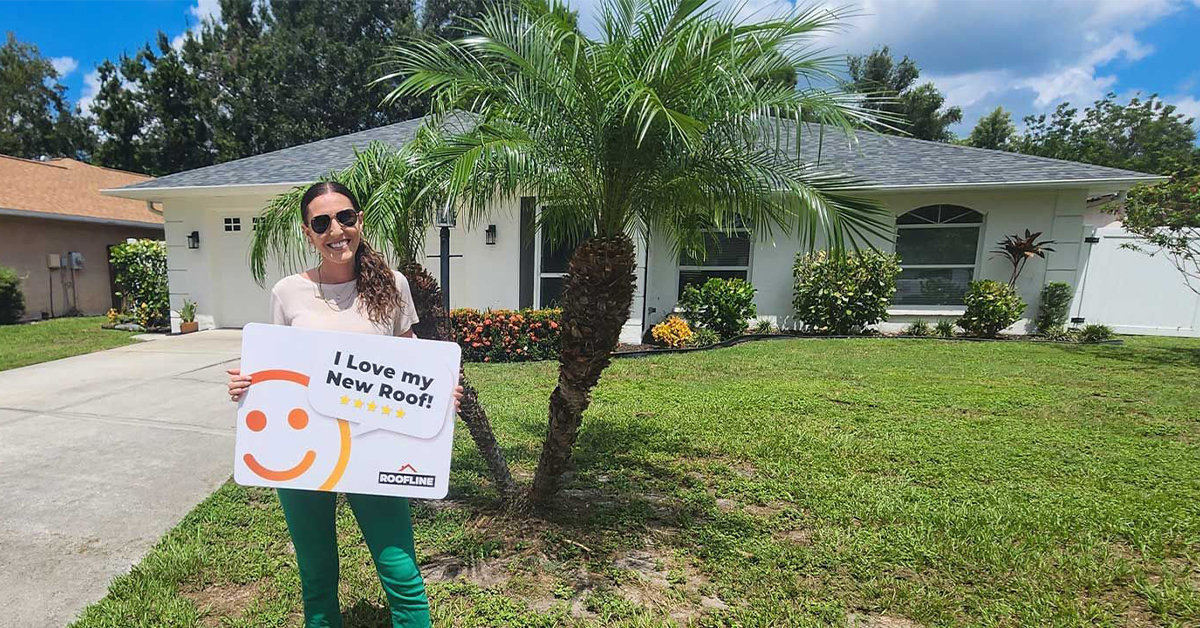
I would highly recommend Roofline Roofing for any roofing needs. As a fellow business owner, their professionalism and efficiency stood out. They provided quality service, completed the job on time, and their pricing was fair. Very satisfied with their work!
-- Logan L.