For property owners and managers in Longboat Key, the often-overlooked details of roof load can directly impact both safety and financial stability. Understanding the capacity of a roof to hold weight—be it from the materials it is built with or external factors like wind and water—is essential. Ignoring these considerations can lead to significant structural issues and economic losses. Setting sights on more than aesthetic appeal in roofing can prevent challenges that arise from underestimating the forces roofs have to withstand. Whether dealing with residences or commercial facilities, the principles of effective roof load management form a vital blueprint for maintaining the structural integrity and safety of any building in the region.
Navigating the complexities of roof load involves grasping the different types of loads and the importance of accurate calculations. It extends beyond understanding and into implementing strategies such as regular inspections and adhering to updated building codes. Comprehensively managing roof loads includes practical strategies for enhancing roof resilience against climatic challenges, which are prevalent in areas like Longboat Key and Bradenton. These practices ensure that your property’s defense system is robust and reliable in facing environmental pressures. With informed decision-making and expert guidance, property owners can fortify their roofs against potential threats, ensuring safety and prolonging their service life.
Fundamentals Explained: What is Roof Load?
Understanding Roof Load: The Essentials for Longboat Key Businesses
Roof load might not be the first thing that comes to mind when managing a property in Longboat Key, but ignoring it can lead to significant structural issues. Roof loads refer to the weight a roof must be able to support. This weight includes the roofing materials themselves, as well as any additional weight such as snow, rain, wind, or equipment. Knowing the fundamentals of roof load is crucial for both residential and commercial property owners to prevent economic losses and ensure the safety of occupants.
Types of Roof Loads
Roof loads are typically categorized into three main types: dead loads, live loads, and environmental loads.
Dead loads are the permanent components of a building, like the structure and roofing materials. These are predictable and static weights, calculated during the design phase. In contrast, live loads comprise temporary items such as people, furniture, equipment, and maintenance tools. While live loads aren’t constant, they need to be anticipated during design, especially in commercial settings where rooftop access is common.
Lastly, environmental loads include factors like snow, wind, and rain. In Longboat Key, snow loads are less of a concern; however, wind loads are substantial. According to the Florida Building Code, roof structures in wind-prone areas, like coastal Longboat Key, must withstand high winds, sometimes exceeding 150 miles per hour. Understanding these specific environmental loads is crucial for property owners in South Florida.
Importance of Accurate Load Calculations
Misjudging roof loads can have serious consequences. Consider the Hyatt Regency’s pedestrian walkways collapse in 1981 due to errors in load calculations. While an extreme example, it highlights the importance of precision. Accurate calculations ensure safety and prevent collapse under unforeseen circumstances. The U.S. Occupational Safety and Health Administration (OSHA) guidelines stress the importance of meeting or exceeding industry standards for roof load calculations.
Building codes reflect local geographic and environmental conditions and must be adhered to strictly. For business owners on Longboat Key, staying informed about local regulations and changes in building codes can protect lives and investments.
Practical Strategies for Ensuring Roof Load Safety
Considering the challenges of managing roof loads, property owners and managers can employ several practical strategies:
1. **Regular Inspections**: Yearly inspections by qualified roofers can identify potential structural weaknesses. In South Florida, where extreme weather is common, these inspections are vital. Routine checks can spot damage that might affect roof load capacity, such as leaks, broken tiles, or damaged support beams.
2. **Load Monitoring**: For commercial buildings, especially those which frequently have people or equipment on the roof, consider using advanced sensors that monitor load. These sensors provide real-time data and alerts if the weight becomes excessive.
3. **Roof Design**: Collaborate with engineers during the design phase of new buildings. Opt for materials and structural designs that are well-suited for the local climate. For instance, using materials that hold up against high winds can reduce risk in storm-prone areas like Longboat Key.
4. **Maintenance and Repair**: Do not delay repairs. If any damage is identified, it should be addressed immediately. Slight damage can quickly turn into structural weaknesses during storms or high winds. Regular gutter cleaning and drain inspections prevent water accumulation, which adds additional weight to roofs.
5. **Customized Solutions**: Engage experts who understand the specific challenges of Longboat Key. Custom solutions, tailored to the unique environmental conditions and building types, often provide the best long-term protection.
The Role of Building Codes
Building codes provide a framework for safe construction and maintenance practices; they are invaluable when understanding roof load fundamentals. They specify minimum requirements for structural safety, including load-bearing calculations. The Florida Building Code updates periodically, reflecting new research and regional climatic conditions. Compliance with these directives is both a legal and safety imperative.
Conclusion
Understanding roof load essentials helps protect people and investments alike. Whether managing a cozy residential property or a bustling commercial hub in Longboat Key, a solid grasp of roof load fundamentals and proactive measures are vital. It prevents structural failures, saves costs in the long run, and gives peace of mind knowing that properties can endure regional climatic challenges. Regular maintenance and professional guidance are key to ensuring roof safety and structural integrity.
Material and Design Considerations: Ensuring Structural Support
Every roof must be designed to support specific loads, considering both the material used and design strategy. The choice of materials significantly influences roof load capacity, particularly in areas with unique environmental challenges like Sarasota. Roof load design in Sarasota needs special attention due to the region’s vulnerability to high winds and heavy rainfall.
The selection of roofing materials is crucial for handling these challenges. For instance, metal roofing might be the preferred choice in this climate due to its durability and ability to withstand strong winds. Data from the Metal Roofing Alliance indicates that metal roofs can resist winds up to 140 miles per hour, making them suitable for Sarasota’s storm-prone environment. Additionally, metal roofs often last longer than traditional shingle roofs, requiring less frequent replacements and reducing long-term costs.
Another significant factor is the weight of the roofing material itself, as it contributes to the dead load. Concrete and clay tiles, while common and durable in design, are heavier and require robust structural support. Their substantial weight needs careful consideration during the design phase to ensure that the building’s framework can support the additional load without risk of collapse. Conversely, lighter materials like asphalt shingles, popular for their cost-effectiveness, offer a different set of structural demands.
Beyond materials, the design process itself plays a vital role in roof load handling. Implementing a roof pitch that encourages effective drainage can mitigate the risk of additional loads from water accumulation during heavy rainstorms. A well-designed drainage system, strategically incorporated during the design phase, ensures swift removal of rainwater, preventing undue strain on structural elements. The effective slope design also minimizes the risk of leaks and water damage, preserving the roof’s longevity and performance.
Furthermore, integrating aerodynamic design principles when planning roof load design in Sarasota aids in combating wind uplift. Roofs that reduce wind resistance through streamlined profiles and secured fastenings reduce the risk of roof displacement or damage during hurricanes. Modifications such as using parapets, which can redirect airflow, or selecting hipped roof designs, which can withstand higher wind pressures, further enhance stability.
Design considerations must extend to the building’s entire framework, not just the roof. Using hurricane straps and clips that connect the roof to the walls provides additional reinforcement, significantly enhancing the structure’s ability to resist wind forces. Research from the Insurance Institute for Business & Home Safety highlights that these reinforcements can substantially reduce roof damage during wind events.
Structural support isn’t solely dictated by design and materials; it requires ongoing evaluation to adapt to changing environmental conditions and evolving building standards. Regular audits of roof configuration and integrity, especially after substantial weather events, ensure continued compliance with the latest safety codes. Implementing an inspection routine that includes material condition and adherence to design specifications is as crucial as initial planning.
By focusing on both material selection and thoughtful design, businesses and homeowners can build roofs that meet current demands and remain resilient against future challenges. Roof load design in Sarasota, when approached with precision and foresight, ensures that buildings can withstand the region’s unique climatic pressures. This proactive stance on material and design considerations not only bolsters safety but also supports long-term structural sustainability.
Safety Standards: Meeting Code Requirements
Safety standards play a critical role in ensuring roof load safety in Bradenton, and adhering to these standards is essential for protecting both residential and commercial properties. Meeting code requirements isn’t just about compliance—it’s about safeguarding people, property, and investments from the potential structural failures that could result from negligence. The specifics of these requirements are often dictated by local building codes, which provide a comprehensive framework for the construction and maintenance of safe, reliable roofing systems.
In Bradenton, as in much of South Florida, roofing codes are influenced by regional climatic challenges, particularly the area’s susceptibility to hurricanes and severe weather. The Florida Building Code (FBC) is a robust legal requirement that emphasizes rigorous standards for wind resistance and load calculations. These codes are regularly updated to incorporate the latest research on enduring climatic conditions and innovative construction techniques.
Key components of the FBC related to roof load safety include specifications for wind uplift resistance, which are crucial in high-wind areas such as Bradenton. Roofs are required to endure specific wind speeds, with design pressures calculated based on building height, occupancy, and exposure to winds. Given the region’s vulnerability to hurricanes, achieving these standards means selecting materials and construction methods that offer resilience against high pressures.
For commercial properties that may have highly varied roof loads due to HVAC systems, signage, and other equipment, staying within code requirements ensures that facilities are structurally sound. This often necessitates regular evaluations of a building’s roof load to account for any modifications or additions that could alter its weight-bearing capacity.
Failing to adhere to these standards not only threatens structural integrity but also poses legal risks. Property owners who neglect this responsibility may face fines, legal action, or increased insurance premiums. Recognizing this, it’s prudent for business owners and residential property managers to engage licensed professionals to oversee compliance with these codes.
Engaging experienced roofers and engineers is also a strategic move to ensure that all aspects of code compliance are covered. These professionals are trained to navigate the intricacies of building codes and can provide actionable insights during the design, construction, and maintenance phases. This includes conducting detailed load analysis, recommending material choices aligned with local conditions, and implementing design improvements to enhance structural resilience.
Additionally, proper documentation is vital. Maintaining records of inspections, renovations, and compliance checks serves as proof of due diligence should questions regarding safety compliance arise. Keeping abreast of code updates and industry innovations provides another layer of protection, ensuring that your property is not only compliant but optimized for safety and efficiency.
By prioritizing safety standards and diligently meeting code requirements, property owners and managers in Bradenton can ensure that their roofs are more than mere coverings; they are integral parts of a building’s defensive system against nature’s forces. This commitment to safety and reliability sets a solid foundation for enduring structural longevity and operational peace of mind.
You might be asking
What is roof load, and how is it calculated?
Roof load refers to the amount of weight a roof can safely support without risk of damage or collapse. It is calculated by considering various factors such as dead load (weight of the roofing materials themselves), live load (temporary weight like snow or maintenance workers), and environmental load (wind or seismic forces). Engineers use local building codes, environmental data, and structural analysis to determine the appropriate roof load capacity for a building.
How does roof load influence design and material choices?
Roof load plays a critical role in architectural design and the selection of roofing materials. A structure’s roof must be designed to handle its calculated load effectively. This may involve using stronger materials like steel for heavy loads or lightweight materials such as asphalt shingles for lesser loads. The load requirements also influence roof slope, insulation, and support structures to ensure safety and longevity.
What are the potential consequences of ignoring roof load requirements?
Ignoring roof load requirements can lead to severe consequences, including structural damage, roof failure, and in extreme cases, even collapse. These failures can incur significant repair costs, pose safety risks to occupants, and result in violations of building codes. It’s essential to adhere to load specifications to maintain the building’s integrity and ensure the safety of its inhabitants.
Next Steps
Roof load management is more than an engineering requirement; it’s an investment in your property’s longevity and your peace of mind. To effectively protect your Longboat Key or Bradenton property, understanding load impact and implementing strategic measures is essential. Consider regular inspections and assessments to identify and rectify potential vulnerabilities. Collaboration with experienced professionals during the design or renovation phases can result in robust roofs capable of withstanding regional weather challenges. Keeping up-to-date with the Florida Building Code and industry standards is strategic to ensure ongoing compliance and safety.
When you’re ready to take the next step in safeguarding your property, consider a thorough evaluation of your roof’s load capacity and condition. Roofline Roofing offers complimentary consultations to help you achieve your roofing goals with precision and care. Connect with us today to learn how our expertise aligns with your property’s unique needs and ensures a secure future for both residential and commercial investments.
Contact Us
Use the form below to contact us or to schedule a free consultation.
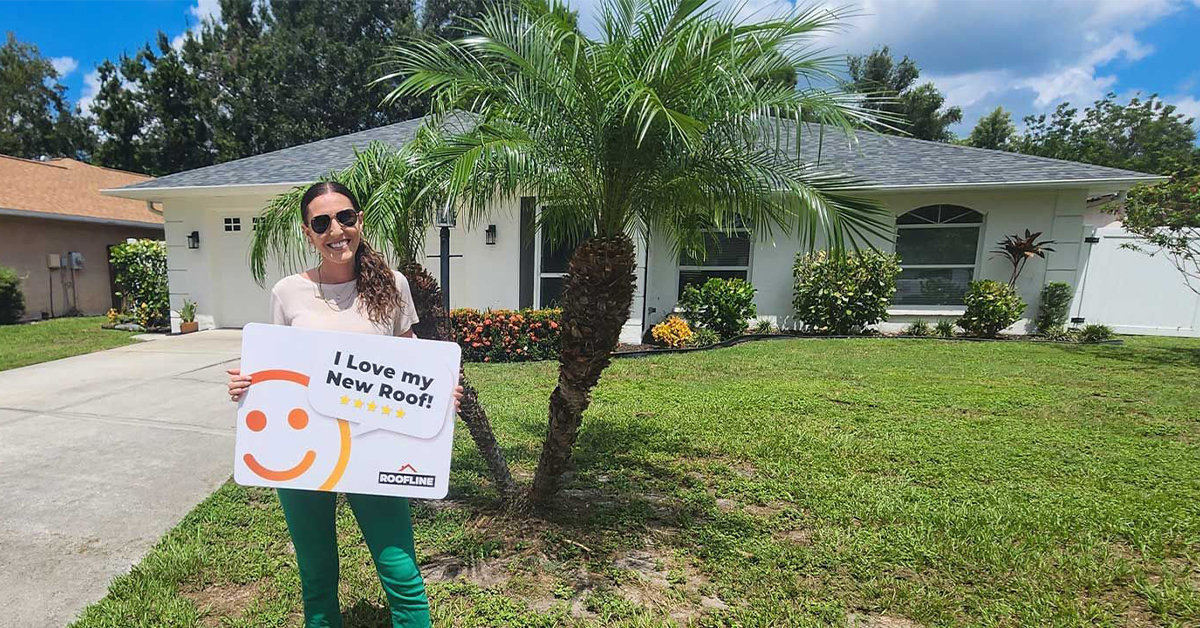
I would highly recommend Roofline Roofing for any roofing needs. As a fellow business owner, their professionalism and efficiency stood out. They provided quality service, completed the job on time, and their pricing was fair. Very satisfied with their work!
-- Logan L.