Selecting the right roofing material in hurricane-prone areas like Southwest Florida is not merely about aesthetics, it’s about ensuring the resilience and safety of your property. Each roofing option, from classic slate to modern synthetic, offers unique benefits tailored to withstand extreme weather conditions. Understanding these benefits is essential for making informed decisions that protect your investment and enhance your building’s durability against the harsh elements.
This guide delves deep into the characteristics of various roofing materials, offering a comprehensive look at how each stands up to the rigors of hurricane-force winds and heavy rains. Whether you’re a residential homeowner looking to upgrade your roof or a commercial property manager in need of durable options, this information will help you make choices that ensure lasting protection and compliance with local building standards.
Material Breakdown: Exploring Superior Options
When choosing roofing materials, especially in hurricane-prone regions like Anna Maria, durability becomes a top priority. Ensuring your property withstands harsh weather while maintaining structural integrity is crucial. Understanding the various roofing materials available can significantly aid in making an educated decision.
Metal Roofing
Metal roofs are becoming an increasingly popular choice for both residential and commercial buildings in hurricane zones. Studies, including those from the Metal Roofing Alliance, highlight their ability to resist wind speeds up to 140 miles per hour. Additionally, metal roofs are fire-resistant, offering a layer of safety beyond just wind protection. Their longevity, often spanning 40-70 years, makes them a long-term investment. With the ability to reflect solar radiant heat, metal roofs also help in reducing cooling costs, a considerable advantage in sunny Florida.
Clay and Concrete Tiles
Clay and concrete tiles have been used for centuries, known for their durability and thermal resistance. These tiles can withstand wind speeds over 125 miles per hour, according to reports from the Florida Building Commission. Their weight enhances their stability during high-wind events, but it also necessitates that the building structure can support such weight. While the upfront cost is higher, the lifespan of these tiles—often over 50 years—justifies the investment. With clay tiles, homes can enjoy additional aesthetic appeal while benefiting from natural insulation properties.
Asphalt Shingles
Asphalt shingles are widely used due to their cost-effectiveness and ease of installation. They are popular because of their affordability and versatility in style and color. Advances in technology have led to architectural shingles that can withstand up to 130 mph wind speeds, as per industry studies. However, they have a relatively shorter lifespan, typically 20-30 years, and may require more frequent replacement than other materials. It’s crucial to choose shingles rated for high winds if residing in a hurricane zone like Anna Maria.
Slate Roofing
Slate offers unparalleled durability, with some roofs lasting over a century. Slate tiles can resist severe weather, including high winds and heavy rain. Their natural aesthetic adds substantial value to properties, though slate roofing requires specialized installation due to its weight. This premium material, albeit initially expensive, offers both longevity and minimal maintenance needs. Drawing from historical durability and aesthetic charm, slate can be a worthy consideration for those looking for a hurricane durable roofing option in Anna Maria.
Synthetic Roofing
Synthetic roofing, including rubber, plastic, and polymer-based shingles, is growing in popularity due to its resistance to weather extremes and low maintenance needs. These materials replicate the appearance of more expensive materials like slate and wood at a fraction of the cost. Many synthetic options provide robust wind resistance, with some boasting capabilities up to 200 mph, due to their endurance in extreme test conditions. This material’s resilience and eco-friendliness make it an appealing option for modern roofs.
Green Roof Systems
Green roofs, though unconventional for hurricane-prone areas like Anna Maria, provide benefits that go beyond storm protection. These are roofs covered with vegetation, providing natural insulation and reducing stormwater runoff. While they typically require a strong underlying structure to support added weight and moisture retention, they offer remarkable energy efficiency and aesthetic appeal. Additionally, they can be combined with hurricane-resistant base materials to enhance resilience.
The selection of roofing material in hurricane-prone areas like Anna Maria involves evaluating both the practical aspects of durability and aesthetic preferences. Each material offers distinct advantages, whether it’s the classic appeal of clay tiles or the modern resilience of synthetic shingles. Understanding the properties and benefits associated with these options will ensure that your roof not only withstands the test of time but also delivers peace of mind during storm season.
Performance Under Pressure: How Materials Hold Up in Storms
Not every roofing material can withstand the intense conditions brought by storms, especially in hurricane-prone areas like Palmetto. It’s essential to understand how different roofing materials perform under pressure to ensure that your property is well-protected. Let’s explore how various options manage to stand up to the challenge.
Steel and aluminum roofs, known for their robustness, are top contenders in storm resistance. Their interlocking panels provide significant wind resistance, and their surface is less likely to be uplifted during a storm compared to typical shingles. According to research from the National Roofing Contractors Association, metal roofs provide superior protection against leaks, largely due to the fewer seams and overlaps. In addition to reflecting heat, this makes metal roofing an environmentally-friendly choice, helping to lower utility bills in hot climates.
Clay and concrete tiles, famed for their weight and strength, offer substantial wind resistance. Their heavy nature is beneficial during storms as it requires tremendous force to displace them. However, the weight demands a solid underlying structure. An upgrade to reinforced fasteners and properly calibrated underlayment is recommended by the Roofing Industry Committee on Weather Issues (RICOWI) to ensure tiles remain secure under gusty conditions. These materials absorb minimal moisture, which reduces risks of expansion and contraction that can occur with other roofs.
While asphalt shingles are economically tempting, careful selection is required to maximize their storm-fighting capabilities. Architectural shingles, due to their multi-layered densities, possess greater resistance to tear and uplift compared to standard three-tab shingles. According to the Insurance Institute for Business & Home Safety, properly installed asphalt shingles with high wind-resistance ratings can endure speeds similar to metal roofs. Regular inspections and maintenance strengthen their ability to withstand subtropical storms typical in Florida.
Slate roofs, often perceived as archaic, bring resilience that is unparalleled. The density of slate makes it almost impenetrable to wind and water. It’s worth noting that slate roofs require specific professional installation to ensure each tile interlocks correctly. The Slate Roofing Contractors Association underscores the importance of choosing top-grade slate, as lower-quality options may not provide the same durability. Slate’s natural composition means it won’t warp or deteriorate from water exposure, maintaining its striking appearance year after year.
Synthetic roofing materials combine the best attributes of traditional roofing solutions while mitigating some drawbacks. Made from polymers, these materials offer high impact resistance and can be manufactured with interlocking systems that provide absolute protection against uplift. With weights lighter than natural stone or clay but delivering equivalent strength, synthetic roofs minimize stress on structures. According to data from the Building Envelope Science Institute, synthetic roofs can withstand winds exceeding hurricane force, making them a strategic choice for regions grappling with storm frequency and intensity.
Evaluating green roof systems reveals benefits extending beyond mere weatherproofing. Their vegetation layer notably diminishes noise pollution and absorbs impactful energy from wind and rain. Proper layers beneath the greenery ensure that the roof remains integral under stressful weather conditions. Though they necessitate a well-reinforced structure, the sustainable benefits they offer, including temperature moderation and stormwater management, present them as innovative, dual-purpose roofing solutions.
Choosing the right roofing material doesn’t just hinge on aesthetics; it requires a clear understanding of each material’s capability under extreme weather. Whether leaning toward traditional options like slate and tile or modern innovations such as synthetic shingles and metal, fortifying Palmetto properties against hurricanes calls for informed selections. Considerations such as weight, structural support, and local climate conditions should guide decision-making to ensure that your roof performs effectively under pressure.
Choosing Wisely: Making Informed Decisions for Safety
Considering the safety and security of your property’s roof is imperative when operating in hurricane-prone areas like Bradenton. Making informed decisions about roofing materials and installation not only ensures protection against violent weather but also aligns with building codes and practical durability.
Material Selection
Selecting materials that emphasize resilience can prevent future upheaval. Prioritize durability by opting for roofing materials with proven longevity. Metal roofing, for example, is an excellent choice due to its high wind resistance and durability. Opt for metal roofs designed to withstand wind speeds typical of Florida hurricanes, provided by research-driven assessments like those from the National Roofing Contractors Association.
Installation Techniques
There’s more to securing a roof than selecting tough materials. Implementing superior installation techniques enhances durability, ensuring that roofs remain secure during hurricanes. Reinforced fasteners and interlocking panel systems minimize the likelihood of structural failure under stress. Partner with certified professionals who understand local climatic challenges and can provide verified installation methods.
Building Codes and Standards
Adhering to local building codes is vital. Building regulations in hurricane-prone areas like Bradenton are designed with wind and water resistance in mind. Engage with roofing contractors knowledgeable about these codes to ensure compliance and community safety standards. Materials and installation techniques should meet these set benchmarks to enhance your property’s resilience against hurricane-induced stress.
Structural Support and Regular Inspections
Roofs built in hurricane zones should have adequate structural support. Evaluate your building’s framework to ensure it can support chosen roofing materials, especially heavier options like clay tiles or slate. A well-supported roof means reduced risk during extreme weather. Regular inspections by licensed roofing professionals help identify vulnerabilities, allowing pre-emptive repairs or reinforcements.
Insurance Considerations
Select roofing solutions that align with insurance guidelines. Insurers often provide incentives for buildings with robust roofing systems. Transparent communication with your insurer about material selection and installation methods ensures coverage remains uncompromised. This proactive measure offsets potential financial liabilities from roof damage, granting further peace of mind.
Innovative Roofing Solutions
Consider incorporating innovative solutions such as synthetic roofing materials, offering balance between weight and strength. These roofs maintain integrity during substantial wind loads without stressing underlying structures. Additionally, adopting green roofing systems can offer environmental benefits alongside practicality if combined with a solid underlying base.
Investing in the right materials and installation processes yields long-term benefits, particularly in regions where climate conditions pose significant threats. Relying on trusted, verified resources and expert consultations ensures that roofing decisions are both strategic and effective, resulting in reinforced safety for your property and peace of mind against the challenges posed by hurricanes in Bradenton.
You might be asking
What makes a roofing material suitable for hurricane-prone regions?
A roofing material is suitable for hurricane-prone regions if it is able to withstand high winds, heavy rainfall, and flying debris without sustaining significant damage. It should have a high wind resistance rating, be impact-resistant, and ideally have weight and flexibility to absorb and distribute the force of harsh weather. Materials like metal, clay tiles, and high-grade asphalt shingles are designed to endure these conditions effectively.
How do specific materials hold up against extreme weather conditions?
Metal roofs are known for their durability and can resist winds up to 140 mph. Clay and concrete tiles offer excellent protection against intense weather, although they can be heavier and may require reinforced roof framing. Asphalt shingles, especially those designed for high impact, can also provide good protection, though they may require more frequent inspection. Each material offers unique strengths and should be chosen based on specific property needs and local building codes.
What maintenance is required for hurricane-resistant roofing materials?
Regular inspections are key to ensuring the longevity of hurricane-resistant roofing. It’s important to check for any loose or damaged materials and address these issues promptly. Clean gutters and downspouts to prevent water build-up that can lead to leaks. Additionally, remove any debris that could accumulate on the roof surface, as it can increase wear during storms. Engage a professional for annual maintenance to ensure that the roofing system retains its protective qualities.
Next Steps
Selecting the most suitable roofing materials and installation techniques for your property is a vital step toward safeguarding it against hurricanes in South Florida. Evaluating the variety of options—from the enduring resilience of metal and slate, to the innovative strengths of synthetic alternatives—ensures you not only protect your home or commercial property but also enhance its value. Every roofing solution offers its unique advantages, such as energy efficiency or aesthetic appeal, making it essential to weigh these benefits against your specific needs.
To pave the way for a secure and robust roofing system, consider assessments of your property’s structural integrity, ensuring it can support the heavyweights like clay tiles or slate. Regular inspections and adherence to local building codes further solidify your protection strategy, reducing the likelihood of damage during severe weather. Expert guidance can make a clear difference in these high-stakes decisions. You’re invited to contact Roofline Roofing for a free consultation. Our specialists are ready to help you understand the best roofing solutions for your goals, bringing peace of mind and ensuring your property stands resilient in the face of storms.
Contact Us
Use the form below to contact us or to schedule a free consultation.
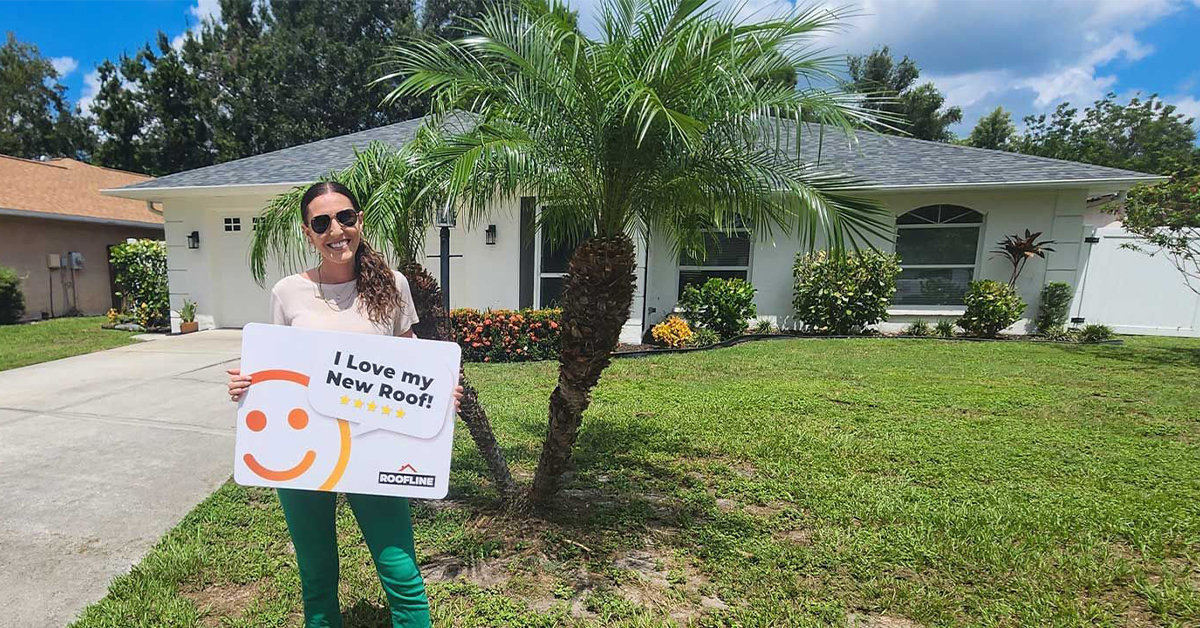
I would highly recommend Roofline Roofing for any roofing needs. As a fellow business owner, their professionalism and efficiency stood out. They provided quality service, completed the job on time, and their pricing was fair. Very satisfied with their work!
-- Logan L.