Choosing the right roofing contractor isn’t just a decision; it’s a pivotal step that influences the safety and value of your property. Whether you’re a homeowner or manage commercial real estate, securing a dependable partner for your roofing needs is vital. This guide offers practical strategies to navigate the selection process, emphasizing the importance of due diligence, local reputation, and contractor experience. By understanding licensing requirements and evaluating the available roofing options, you ensure a responsible choice that protects your investment for years to come.
Additionally, in South Florida’s climate—particularly in places like Manatee and Sarasota Counties—selecting appropriate roofing materials extends beyond preference. It’s a matter of energy efficiency and durability. Whether considering metal, clay tiles, or even green roofs, your material choice significantly affects your property’s resilience against harsh weather and contributes to long-term savings. Mold the future of your property with well-informed decisions, aligning your needs with practical roofing solutions and the right construction period for effective project management.
Selecting a Contractor: Key Criteria and Interview Tips
Selecting the right roofing contractor can be a challenging yet crucial task for homeowners and commercial property managers alike. Making the right choice determines the longevity and performance of your roof, which is an investment you certainly want to preserve. This post provides practical guidelines on how to select a reliable roof contractor, especially in areas such as Osprey, Florida, while also offering interview tips to help you hire with confidence.
Understand Licensing and Insurance Requirements
In Florida, roofing contractors must hold a valid license to operate legally. A license ensures that the contractor has met the state’s minimum training and experience levels. Check the contractor’s license status through the Florida Department of Business & Professional Regulation’s website. Furthermore, confirm their insurance covers both liability and workers’ compensation. This will safeguard you from any financial responsibility should an accident occur on your property.
Research Local Reputation
Being a roof contractor selection Osprey study, it’s vital to prioritize local reputation. Ask around your community and search online reviews to gauge customer satisfaction and reliability. Websites such as the Better Business Bureau can provide insight into the contractor’s standing within the community. Local contractors are often more invested in maintaining a good reputation and can respond more quickly than those located farther away.
Evaluate Experience and Expertise
Experience is critical in the roofing industry. Established contractors bring knowledge gained from years spent dealing with various roof types and the challenges specific to Florida’s climate. For instance, these areas frequently grapple with high winds during hurricane season. A seasoned contractor will have proven methods to fortify and protect your investment against such elements.
It’s insightful to ask for examples of past projects similar to yours. This includes requesting photos or a portfolio of completed work. Conducting this step will reassure you that the contractor is well-versed in the requirements of your specific roofing needs, be it residential or commercial.
Check Material Choices and Warranties
Roofing isn’t just about the labor; material quality plays a vital role in durability. Ask potential contractors about the materials they use and prefer. Reputable contractors will provide options and help you understand the longevity and benefits of each material type. Asphalt shingles, metal roofing, and clay tiles are all popular options in South Florida, each with unique advantages.
Inquire about warranties for both materials and workmanship. A contractor willing to stand behind their work offers warranty terms that reflect their confidence in their services and the products they use. Be sure you clearly understand these terms before making a commitment.
Conduct Thorough Interviews
Interviewing potential contractors allows you to gauge their professionalism and reliability directly. Prepare a list of pertinent questions addressing their experience, timelines, materials, costs, and client references. You might ask, “How do you handle project delays?” or “Can you provide a list of references?” As responses are given, note their directness and willingness to be transparent. A contractor avoiding questions or providing vague answers may warrant caution.
Red flags also include those seeking full payment upfront or unwilling to put agreements in writing. Legitimate professionals will offer a detailed contract outlining scope, timeline, labor, materials, and financial terms.
Seek Cost Estimates
Getting multiple estimates helps in effectively comparing offerings. Reliable contractors provide an itemized list outlining the breakdown of costs, including labor and materials. Be wary of quotes that are significantly lower than others; this can sometimes indicate lower quality or hidden expenses.
Being equipped with this knowledge empowers you to make an informed decision, securing a trustworthy contractor who can deliver quality work. Ensuring your selection process is methodical sets you up for a successful roofing project, ultimately safeguarding your property and heightening its value.
Materials for Summer: Options that Withstand Heat
In the sun-soaked landscape of Manatee County, choosing the suitable roofing material is not just about aesthetics but also about withstanding summer heat. When the mercury rises, your roof bears the brunt of the sun’s energy, making the choice of roofing materials critical for both energy efficiency and comfort. Let’s delve into some popular options that offer durability and performance under the intense South Florida sun.
Metal Roofing: Reflective and Durable
Metal roofing is popular in hot climates due to its reflective properties and longevity. The reflective surface of metal roofs helps decrease heat absorption, which can significantly cool your home’s interior. According to the Metal Roofing Alliance, metal roofs can reduce cooling costs by as much as 25% owing to their superior reflectivity. Additionally, metal roofing is known for its durability, resisting damage from high winds and heavy rain—common in Florida’s summer thunderstorms.
Clay and Concrete Tiles: Time-Tested Tradition
Reflecting classical aesthetics, clay and concrete tiles offer robust heat resistance. These materials have been used for centuries in warm climates around the globe, suggesting a successful track record in heat management. The thermal mass of these tiles helps regulate indoor temperatures by storing heat and releasing it slowly, keeping homes cooler during the hottest parts of the day. They are also non-combustible, providing an extra layer of safety in areas prone to wildfires.
Asphalt Shingles: Budget-Friendly with Reflective Options
Asphalt shingles remain a popular choice due to their affordability and ease of installation. However, for efficient heat management, consider lighter-colored or reflective shingles. The Cool Roof Rating Council suggests choosing shingles designed with advanced granules that reflect more sunlight and absorb less heat. This can contribute to lower roof temperatures, potentially extending the lifespan of the shingles and improving overall energy efficiency.
Spray Polyurethane Foam (SPF): Seamless and Insulating
For commercial properties, spray polyurethane foam provides a unique solution. This material is applied as a liquid that forms a seamless layer, offering insulation and protection from heat. According to the Spray Polyurethane Foam Alliance, SPF roofing can result in significant energy savings due to its high thermal resistance, effectively reducing the cooling load on your building’s air conditioning system. Beyond energy efficiency, its seamless application reduces the likelihood of leaks—a huge benefit in a region subject to heavy summer rainfall.
Green Roofs: Harnessing Nature’s Power
If you’re considering an eco-friendly option, green roofs are worth exploring. These solutions involve installing vegetation over a waterproof membrane. The plants and soil function as natural insulators, thereby reducing temperatures on the roof surface and inside the building. The Environmental Protection Agency suggests that extensive green roofs can decrease rooftop temperatures by up to 40°F. Plus, they offer added benefits like stormwater management and improved air quality—a great choice for both residential and commercial buildings in urban settings.
Reflective Coatings: Enhancing Existing Roofs
Reflective roof coatings provide a versatile option to enhance the heat-resistance of existing roofs. These coatings, which can be applied to various roofing materials, are designed to reflect more sunlight and absorb less heat. As detailed by the U.S. Department of Energy, installing a reflective coating can lower a roof’s surface temperature by as much as 50°F. This minimized heat transfer into the building helps reduce air conditioning needs during sweltering summer months.
When selecting suitable roofing materials for your property in Manatee County, consider both the initial cost and the long-term energy savings these materials can bring. The ability to reflect heat and maintain cooler temperatures within your home or business will not only ensure comfort but also contribute to the sustainability of your property. Each material option offers unique advantages—choose the one that aligns best with your immediate needs and long-term goals. This strategic decision will keep your property resilient against the summer heat while enhancing its overall efficiency and value.
Timing and Preparation: Planning for a Successful Project
Timing is everything when navigating a roof project in Longboat Key. Proper planning not only ensures timely completion but also plays a crucial role in minimizing disruptions and maximizing outcomes. The first step in planning any roofing endeavor is identifying the most suitable season for construction. With South Florida’s unique climate, understanding local weather patterns is essential. Scheduling your project during the dry months—typically from November to April—can significantly reduce weather-related delays.
Before diving into work, conducting a thorough inspection is imperative. Engage a professional to assess the current roof condition and identify underlying issues that might affect project timelines. Knowing what you’re dealing with upfront allows for more precise project planning and resource allocation.
Budgeting forms the backbone of any roofing project. Going beyond just material and labor costs, unexpected expenses must be considered. Create a buffer within your budget to accommodate unforeseen challenges, such as additional repairs or upgraded materials. A clear financial overview helps in making informed decisions without interruptions.
Simultaneously, knowledge regarding required permits and regulations is critical. Each jurisdiction has specific codes and permits governing roof constructions. In Longboat Key, swift compliance with municipal requirements prevents project delays and potential fines. Consulting local building authorities early in the planning phase ensures you’re working within legal parameters, saving time and resources.
In the context of commercial properties, identifying operational downtime is a strategic move that minimizes disruption to business activities. Collaborate with project managers to integrate roof work seamlessly with business operations, aligning project schedules with less critical periods in the business year.
Detailed risk assessment is not only for mitigating potential problems but also for creating contingency plans. By identifying what could go wrong, teams can prepare backup plans, ensuring the project continues smoothly despite unscheduled hurdles.
Effective communication among stakeholders can’t be overstated. Establish clear lines of communication with contractors, suppliers, and team members from the outset. Regular updates keep everyone informed and aligned, allowing for early detection and resolution of any issues that arise.
Another critical component of successful roof project planning in Longboat Key involves resource availability. Ensuring that both material and human resources are secured ahead of schedule can preempt delays caused by shortages.
Finally, setting realistic timelines with built-in flexibility is crucial. Avoid aggressive deadlines by allowing for adjustments due to unforeseen delays. A balance between urgency and precision in timeline creation ensures work is thorough without sacrificing quality.
Comprehensive planning and preparation foster a systematic approach to roofing projects, minimizing disruptions and ensuring longevity. Tailoring your strategy to the specific demands of Longboat Key leads to efficient projects that respect both budget constraints and timeline expectations.
You might be asking
How do I evaluate a contractor’s experience and expertise?
When assessing a contractor’s experience, look for a well-established company with a proven track record in roofing. Check their credentials, such as licenses and insurance, and seek out customer reviews or testimonials. A contractor with extensive experience should be able to provide references and a portfolio of completed projects for you to evaluate firsthand.
What roofing materials are most suitable for summer climates?
For summer climates, choose roofing materials that offer durability and energy efficiency. Metal roofing reflects sunlight, reduces cooling costs, and is highly durable. Asphalt shingles with reflective coatings can also be a good choice. Consider clay or concrete tiles if you prefer a traditional look; they offer excellent heat resistance and longevity.
How can I schedule roofing projects to avoid peak season delays?
To avoid peak season delays, plan your roofing project well ahead of the summer months. Contact contractors during the off-peak seasons, such as late fall or winter, to secure your spot. Being proactive and flexible with your scheduling will help you avoid the long wait times often associated with peak roofing season.
Next Steps
Wise planning, informed material choice, and strategic scheduling are your keys to a successful roofing project, whether it’s enhancing your home’s curb appeal in Osprey or ensuring your business in Longboat Key withstands the harsh subtropical climate. Take the time to evaluate and compare different roofing materials, keeping an eye on both initial expenses and long-term savings, and remember the importance of conducting thorough assessments and inspections beforehand to prevent costly surprises down the line.
When it’s time to proceed, consult the experts to ensure every phase—from selection to installation—is handled with precision and care. At Roofline Roofing, we understand the unique demands of the Florida climate and can provide tailored advice and services to fit your specific needs. Consider scheduling a free consultation with our team to gain insights into optimal roofing solutions that align with your objectives. Making an informed choice today ensures your property remains a safe, efficient, and valuable asset well into the future.
Contact Us
Use the form below to contact us or to schedule a free consultation.
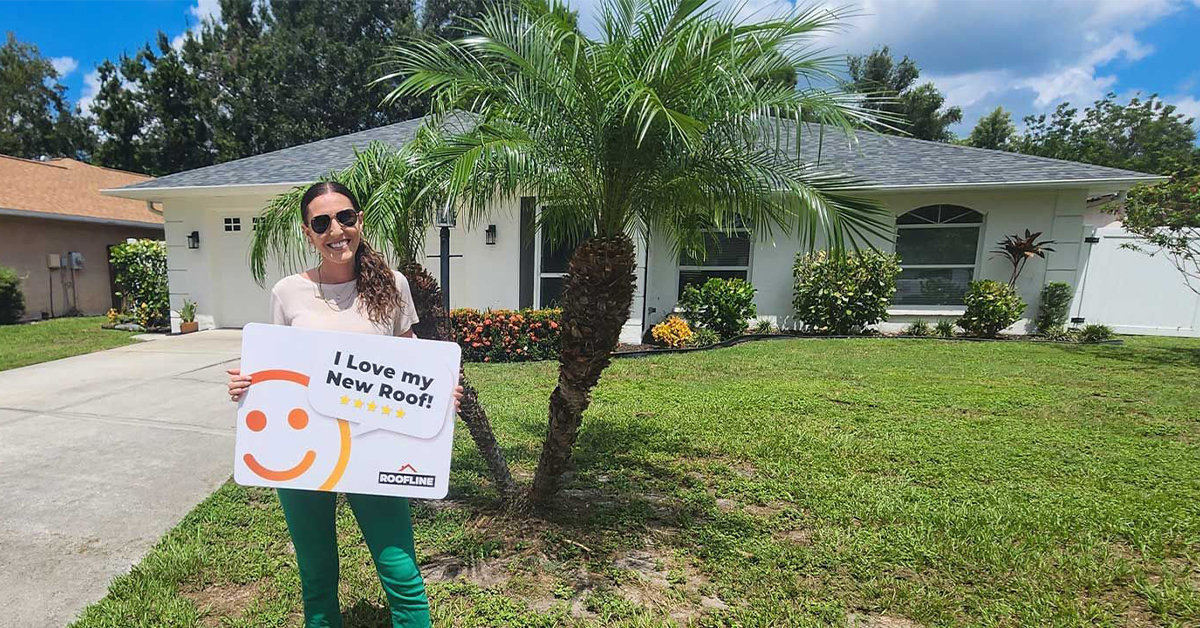
I would highly recommend Roofline Roofing for any roofing needs. As a fellow business owner, their professionalism and efficiency stood out. They provided quality service, completed the job on time, and their pricing was fair. Very satisfied with their work!
-- Logan L.