Understanding the value of your commercial roof goes beyond just its structural role. It’s a strategic asset that can significantly impact your property’s energy efficiency and operating costs. With a growing focus on sustainability and cost management, savvy property managers in Manatee and Sarasota Counties are turning their attention skyward. By adopting energy-efficient roofing technologies, they can leverage their roofs to cut energy expenses, reduce environmental impact, and capitalize on incentives that enhance the return on investment.
Upgrading your commercial roofing in areas like Anna Maria isn’t just about staying current with technological advancements. It’s about utilizing available resources to their fullest potential. Whether it’s cool roofs, green roofs, solar panels, or high-tech smart systems, each option offers unique benefits that go beyond traditional roofing solutions. This guide examines these technologies, offering insights into how they can align with sustainability goals while contributing to a more favorable bottom line. By understanding the breadth of opportunities presented by energy-efficient roofing, property managers can make informed decisions that benefit both their buildings and their business strategies.
Energy-saving Technologies: Implementing Efficient Solutions
Energy bills can significantly affect a business’s bottom line. For commercial properties, managing costs and improving sustainability often start at the top—literally. The roof is not just a structural component but also an asset that, when optimized, can enhance energy efficiency. In Anna Maria, energy-efficient roofing is a smart investment.
Cool Roofs: Energy Efficiency with High Reflectivity
Cool roofs are designed to reflect more sunlight and absorb less heat than a standard roof. They are particularly beneficial in places like Anna Maria where the sun’s intensity can drive cooling costs higher. According to the U.S. Department of Energy, cool roofs can lower air conditioning demand by up to 15%. This considerable reduction not only helps in energy conservation but also prolongs the lifespan of your cooling systems.
Commercial buildings can benefit significantly from single-ply membranes, which are popular in flat roofing. These membranes often come in reflective colors and help decrease the roof’s surface temperature. For property managers in Anna Maria, installing cool roofs might be a cost-effective way to meet energy-efficiency goals.
Green Roofs: Bringing Nature to Commercial Spaces
Green roofs—roofs partially or completely covered with vegetation—offer a dual benefit: they reduce energy use and enhance urban biodiversity. Studies by the National Research Council of Canada found that a green roof can reduce heat loss and energy consumption in winter by acting as an insulating layer. Additionally, they can reduce rooftop temperatures in summer.
For commercial properties in urban areas, green roofs provide an added bonus of reducing stormwater runoff, which can lower the chance of flooding and potential damage. Furthermore, this vegetation can serve as a natural air filter, capturing pollutants and absorbing carbon dioxide. The investment in green roofs can be offset by savings in energy costs and potential tax incentives.
Solar Panels: Turning Sunlight Into Savings
Installing solar panels on your commercial roof is one of the most direct ways to harness renewable energy. Solar technology has advanced, making panels more efficient and affordable. Businesses in sunny climates like Anna Maria can capitalize on abundant sunlight year-round.
According to the National Renewable Energy Laboratory, areas of the U.S. with high solar potential, such as South Florida, can generate as much as 1,600 kilowatt-hours (kWh) annually from a 1-kilowatt system. For businesses, this translates into substantial savings on electricity bills. Moreover, excess energy production can often be sold back to the grid, opening an additional revenue stream.
Smart Roof Systems: Efficiency Through Technology
Smart roof systems use integrated technology to optimize energy efficiency. These systems may include sensors that adjust insulation properties based on weather conditions. For instance, certain materials expand to trap more air when temperatures drop, providing better insulation, while contracting when warm to reduce heat entrapment.
Other technologies involve roof coatings that dynamically adjust their properties—reflecting more sunlight in the summer and absorbing more in the winter. Implementing smart systems can create real-time data about your roof’s performance, enabling better decision-making regarding maintenance and upgrades. For managing commercial properties, understanding the data these technologies provide can mean quick adaptations to reduce energy waste and expenses.
Regular Maintenance: Preservation of Efficiency
While advanced technologies play a crucial role in energy efficiency, regular roof maintenance should not be overlooked. Ensuring that a roof is free from damages like cracks or leaks can prevent energy losses. Maintaining proper ventilation—key in heat dispersal—is a part of this maintenance. The National Roofing Contractors Association suggests biannual inspections to help identify potential issues before they escalate.
Property managers should set scheduled inspections and cleaning routines to preserve a roof’s energy-efficient properties. In environments like Anna Maria, regular maintenance is critical due to the coastal conditions, which can lead to more rapid deterioration without proper care.
Conclusion
The roof of a commercial property in Anna Maria can be a gateway to substantial energy savings and sustainability. By implementing the right combination of energy-saving technologies—from cool roofs to smart systems—businesses can improve their energy efficiency and decrease their environmental footprints. Each solution offers unique benefits, making it crucial to assess your specific business needs and environmental contexts before implementing these technologies. By adopting a strategic approach, property managers can achieve a balance between cost management and sustainability, enhancing both their bottom line and corporate responsibility.
Cost-benefit Analysis: Calculating Savings
One of the most convincing ways to assess an energy-efficient roofing upgrade is through a cost-benefit analysis. This involves comparing the total costs of roofing enhancements with the anticipated savings and other benefits over time. For businesses in Manatee County, understanding these financial implications can provide clarity and confidence in making such investments.
Energy-efficient roofing, like cool roofs or those with solar panels, typically involves higher upfront costs. However, when you break down the potential savings, the investment often pays for itself over time. For instance, consider a cool roof that reduces air conditioning demand by up to 15%. If your commercial building in Manatee County spends an average of $10,000 annually on cooling, a 15% reduction means $1,500 saved each year. Over a conservative lifespan of 20 years, that’s a potential $30,000 in savings.
Solar panels, though initially costly, offer another avenue for long-term savings. If your commercial property generates about 1,600 kWh annually from a 1-kilowatt system, and local electricity costs are, say, $0.10 per kWh, that’s a yearly saving of around $160 for every kilowatt installed. With advancing solar technology, installation costs have decreased, increasing the return on investment (ROI) for businesses.
Another advantage of energy-efficient roofs is their ability to extend the lifespan of HVAC systems. By reducing the need for constant cooling, the wear and tear on your systems decreases, potentially extending their lifespan by several years and saving on replacement costs. The U.S. Department of Energy notes that equipment longevity is often understated in initial savings calculations but can be significant.
Furthermore, several incentives can offset your initial costs. Federal tax credits, state incentives, and utility rebates are often available for energy-saving improvements. For instance, the Federal Investment Tax Credit (ITC) offers a reduction in federal income taxes based on the amount invested in solar property, potentially saving thousands in initial setup costs.
To effectively implement a cost-benefit analysis, you should also factor in non-monetary benefits. For properties in Manatee County, rising temperatures make energy efficiency not just an economic issue, but also an environmental one. Increased energy efficiency contributes to sustainability goals and supports a company’s corporate responsibility initiatives. This indirectly leads to enhanced reputation and appeal among eco-conscious clients and partners.
Calculating potential water usage reduction with green roofs is another component of analysis to explore. Incorporating a green roof could reduce stormwater runoff significantly, as it absorbs a high percentage of rainwater before it ever reaches the ground. Quantifying this can be complex, but reductions in potential stormwater fees and flood damage are concrete benefits.
When crunching numbers, property managers should always consider the longevity of the roofing materials. Quality materials might come at a higher price but often have superior durability, reducing the frequency and costs of repairs. Over time, these savings can compound significantly, improving the overall ROI of energy-efficient roofs.
In essence, performing a cost-benefit analysis requires examining both long-term savings and upfront costs. While the initial investment in energy-efficient roofing might seem steep, the sustained savings on energy bills, maintenance, and potential incentives are persuasive. Each element of the analysis should be tailored to the specific circumstances of your commercial property, considering local climate, building usage, and applicable incentives. Accurate and comprehensive assessments can guide informed decisions, leading to substantial financial benefits and contributing to a sustainable future in Manatee County.
Material Innovations: Choosing the Right Products
Selecting the right roofing materials for your commercial building in Manatee County has significant implications. Recent innovations in roofing materials have enhanced energy efficiency, durability, and environmental friendliness. Advancements have focused on developing products that not only withstand South Florida’s demanding climate but also contribute to reducing overall energy consumption.
Metal roofs have seen a resurgence, thanks to new coatings that enhance their reflective properties. Standing-seam metal roofs, when coated with a high-reflectivity finish, can significantly lower solar heat gain. This makes them an excellent choice for commercial properties, particularly in the sun-drenched locales of South Florida. Beyond their energy efficiency, metal roofs are durable, often lasting over 50 years with minimal maintenance, making them a cost-effective and long-lasting solution.
Another promising innovation is the development of synthetic composite shingles. These are crafted from recycled materials, offering an eco-friendly alternative to traditional asphalt shingles. Composite shingles can mirror a wide range of textures and colors while providing superior resilience and resistance to weather extremes. This versatility makes them ideal for commercial buildings seeking to balance aesthetics, sustainability, and performance.
High-performance PVC roofing membranes are also gaining popularity. Known for their robust seam strength, resistance to moisture and wind, and energy efficiency, these membranes are vital components for flat or low-sloped roofing systems. Their reflective surfaces contribute to reduced cooling costs, a substantial advantage for energy-efficient roofing materials in Bradenton. Additionally, their ability to withstand the harsh UV exposure typical in South Florida ensures they maintain their reflective and durable properties for years.
Thermoplastic Olefin (TPO) roofing, another membrane-based system, offers a competitive edge with its UV resistance and heat reflection capabilities. The lightweight nature of TPO allows for easier installation while its advanced formulation provides energy savings reminiscent of more complex systems.
For those interested in harnessing the potential of technology, advanced roofing systems that integrate solar panel-ready designs are emerging. These systems are engineered to seamlessly support solar arrays without compromising the roof’s integrity or appearance. They offer a potent solution for businesses intent on maximizing energy generation and resale.
Finally, consideration should be given to roofing solutions that emphasize sustainability through waste reduction. Materials such as clay or slate tiles, though traditionally used, are undergoing innovative treatments to improve their performance while remaining environmentally friendly. These treatments can make them more lightweight and easier to install, reducing labor costs while maintaining their natural heat-reducing capabilities.
Investing in innovative roofing materials not only fortifies your commercial property against the elements but also aligns with the broader goals of reducing operational costs and enhancing environmental sustainability. Understanding and integrating these advancements into your roofing strategy can yield significant benefits, offering a smart pathway to a more energy-efficient and resilient building in Manatee County.
You might be asking
What roofing materials offer the best energy efficiency for commercial buildings?
Cool roofs with reflective coatings, thermoplastic membranes like TPO and PVC, and green roofs with vegetation are some of the most energy-efficient materials for commercial buildings. These options reduce heat absorption, which can lead to lower energy costs for cooling.
How can energy-efficient roofing contribute to lower operational costs?
Energy-efficient roofing reduces heat transfer into a building, decreasing the need for air conditioning. This leads to lower energy consumption and utility bills. Over time, the savings on energy can offset the initial investment in energy-efficient roofing.
Are there financial incentives for installing energy-efficient commercial roofs?
Yes, there are often federal and state tax credits, rebates, and other incentives available for installing energy-efficient roofs. These incentives can significantly reduce the upfront costs of installation and improve the return on investment. It’s advisable to check with local programs for specific opportunities.
Next Steps
Making thoughtful decisions about energy-efficient roofing for your commercial property in Manatee County can lead to enhanced cost management and sustainability. Evaluating options such as cool roofs, solar panels, or innovative materials like synthetic composite shingles should be based on a comprehensive cost-benefit analysis. This analysis helps understand not only the monetary savings but also the valuable non-monetary benefits like environmental impact and extended HVAC lifespan. As competition increases and energy costs rise, investing in energy-efficient roofing technologies ensures your building remains at the forefront of operational efficiency and sustainability, positively affecting both your bottom line and corporate image.
To take the next steps, consider assessing your current energy consumption and evaluating which roofing technologies align with your business goals and local climate conditions. Reach out to experts who can provide insights tailored to your specific needs. At Roofline Roofing, we offer complimentary consultations to help you explore these opportunities and determine the best path forward for your property. Connect with us to discuss how we can support your sustainability and efficiency goals with a customized roofing solution.
Contact Us
Use the form below to contact us or to schedule a free consultation.
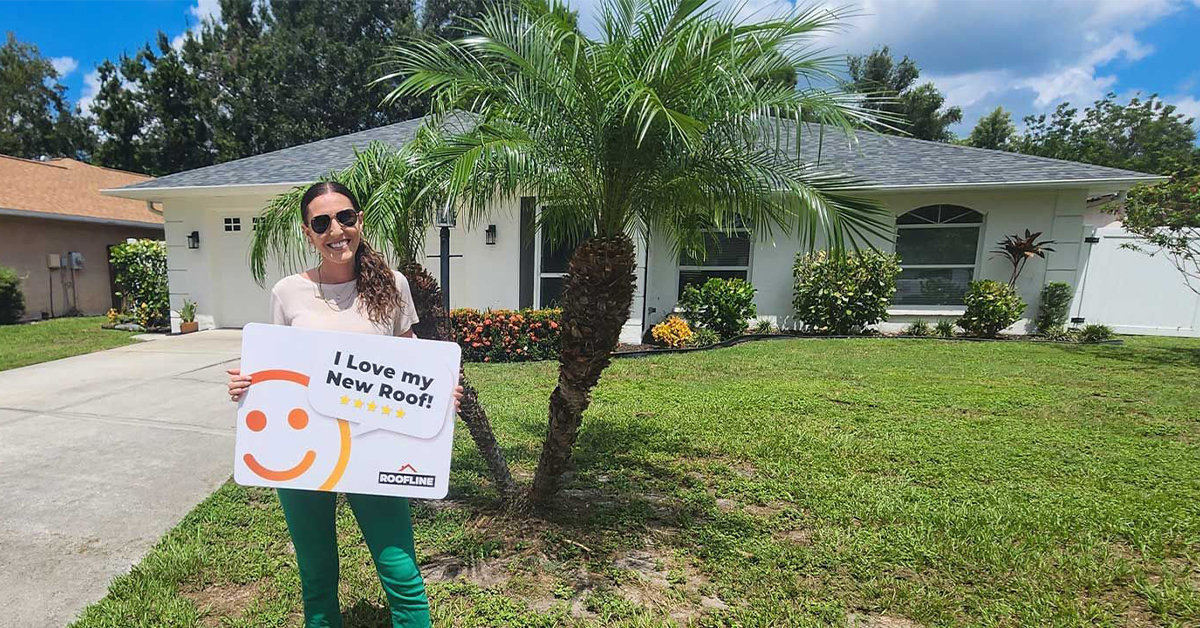
I would highly recommend Roofline Roofing for any roofing needs. As a fellow business owner, their professionalism and efficiency stood out. They provided quality service, completed the job on time, and their pricing was fair. Very satisfied with their work!
-- Logan L.