The roofing industry in South Florida is encountering a paradigm shift, driven by the realities of climate change and technological advancements. For residential and commercial property owners in Manatee and Sarasota Counties, understanding these shifts isn’t just advantageous—it’s necessary. With more intense and frequent weather patterns impacting the region, choosing resilient roofing solutions has become a critical step in protecting investments and ensuring long-term property integrity.
In this context, the choice of materials, the incorporation of innovative technologies, and the adoption of forward-thinking designs aren’t just trends—they are essentials that could define a property’s future sustainability. This guide delves into the challenges and opportunities that today’s environmental landscape presents, equipping you with the knowledge to make informed, strategic decisions about your roofing systems. Whether it’s improving energy efficiency, choosing climate-adaptive materials, or integrating modern inspection technologies, proactive measures taken today will safeguard your infrastructure for years to come.
Increasing Risks: Greater Need for Durability
Climate change poses serious challenges to the roofing industry in Bradenton. With increasing temperatures, erratic weather patterns, and more severe storms, building owners in this region must prioritize roofing durability like never before. Recognizing how climate changes impact roofing will guide property owners in making informed decisions to protect their investments.
Changing weather patterns, such as stronger hurricanes and heavier rains, are directly linked to climate change. According to the National Oceanic and Atmospheric Administration (NOAA), the Atlantic hurricane season now sees storms that are more intense and longer-lasting. For areas like Bradenton, this means roofs must be built or upgraded to withstand extreme weather conditions.
Materials matter more than ever. Choosing the right roofing material is a key step in ensuring durability. Asphalt shingles are a common choice due to their cost-effectiveness, but they may not always be the best option in high-wind areas. Metal roofing, which is known for its longevity and resistance to severe weather, could be a preferable alternative. Studies have shown metal roofs can last up to 50 years, often outlasting other materials even amid severe weather.
The impact of heat is another critical consideration. As temperatures rise due to climate change, roofing materials may deteriorate faster. Prolonged exposure to heat can cause certain materials to expand and contract, leading to cracks or other forms of damage. Reflective roofing options, such as cool roofs, are designed to reflect more sunlight and absorb less heat. A study from the Lawrence Berkeley National Laboratory found that cool roofs can lower roof temperatures by up to 30-40%. This not only helps in extending the life of the roofing materials but can also result in lower energy bills for the building.
Waterproofing is crucial in areas experiencing increased rainfall or hurricanes. Roofs in Bradenton must have effective drainage systems to prevent leaks and water damage. Properly installed gutters and downspouts ensure water is diverted away from the building’s foundation. Roof coatings, such as elastomeric coatings, provide an additional waterproof layer that can protect even older roofs from leaks.
The decision to install wind-resistant features can’t be overstated for Bradenton property owners trying to mitigate climate impacts. Special features like hurricane straps and uplift protection for the roof edges are critical to enhance the roof’s wind resistance. The Insurance Institute for Business & Home Safety highlights that these features increase the structural integrity of roofing systems, which is vital during high-wind events commonly experienced in Florida.
Routine inspections and maintenance are vital practices that property managers and homeowners should adopt. Regular inspections help in identifying potential weaknesses such as loose or damaged shingles, worn flashings, and other elements that could lead to significant issues if left unaddressed. The earlier these issues are identified, the easier and cheaper they are to resolve. Seasonal inspections, especially before and after hurricane season, ensure the roof is prepared for and has withstood significant weather events.
Green roofing options offer additional resilience against climate impact while also delivering environmental benefits. Green roofs, which incorporate vegetation, can reduce air conditioning needs by as much as 50%. Moreover, they absorb rainwater, reducing runoff and the risk of leaks. Research from the University of Toronto found that green roofs can significantly reduce roof surface temperatures during peak summer months.
Understanding the impact of climate change on roofing systems empowers property owners to make choices that enhance durability. By choosing appropriate materials, enhancing waterproof capabilities, investing in wind-resistance features, and conducting regular maintenance, homeowners and property managers in Bradenton can significantly extend the lifespan of their roofs. Protecting a building from the changing climate conditions is not just about enduring extreme weather; it’s about smart, sustainable choices that safeguard investments for years to come.
Innovative Solutions: Adapting Roofs to New Challenges
Climate change is driving innovation in the roofing industry, particularly in places like Anna Maria, where weather conditions can vary dramatically. To effectively protect buildings from increasing threats like severe storms and high temperatures, embracing climate-adaptive roofing technologies is no longer optional but necessary. These innovative solutions not only enhance the durability of roofs but also provide sustainable and practical benefits that align with changing climate patterns.
A key innovation in roofing is the use of dynamic, climate-adaptive roofing systems. These systems are designed to respond actively to environmental changes, adapting their properties to optimize performance based on current conditions. One example is thermochromic materials, which alter their color in response to temperature shifts. These materials keep structures cooler by reflecting more sunlight when temperatures rise. A study from the Massachusetts Institute of Technology demonstrated that thermochromic roofing materials could reduce cooling costs by up to 10% in warm climates, making them highly effective in regions like South Florida.
Increasing efficiency through energy-generating roofs presents another compelling opportunity. Photovoltaic (PV) solar panels are becoming integral to climate-adaptive roofing strategies. They allow roofs to generate electricity directly from sunlight, lowering buildings’ dependence on external sources of energy. In fact, according to the Solar Energy Industries Association, integrating solar panels on rooftops can contribute significantly to energy savings, offering a renewable energy source that offsets carbon emissions and reduces utility expenses for homeowners and property managers alike.
Roofing systems incorporating phase change materials (PCMs) are also gaining traction. PCMs absorb and release thermal energy during transitions between solid and liquid states, which helps to regulate indoor temperatures effectively. Research conducted by Oak Ridge National Laboratory highlights that roofs integrated with PCMs can maintain more consistent indoor temperatures, reducing the reliance on mechanical heating and cooling systems. This technology is particularly advantageous in maintaining a stable climate within buildings despite erratic external temperature changes.
Moreover, smart roofing technology is a breakthrough that provides more bespoke adaptations to climate challenges. These systems utilize sensors and real-time data analytics to monitor roof conditions continuously. By analyzing factors such as temperature, humidity, and barometric pressure, property managers can receive alerts about potential issues before they become significant problems. This data-driven approach allows for proactive maintenance, thus extending the life of the roofing system while minimizing repair costs.
Eco-friendly materials such as recycled rubber shingles serve as another innovation, offering durability in harsh weather conditions while reducing environmental impact. These shingles provide a sustainable alternative to conventional materials by repurposing waste rubber, such as used tires, into long-lasting roofing solutions. They resist cracking and high winds and offer additional noise insulation, which can be particularly beneficial in commercial settings.
For areas prone to frequent heavy storms, advanced waterproofing solutions are imperative. Innovations like self-healing roof membranes have shown promise in this regard. These membranes contain polymers that allow them to reseal themselves when punctured. This technology minimizes leak risks, thereby preventing water damage that can arise from minor imperfections in the roofing surface. According to a study published in the Journal of Coatings Technology and Research, self-healing coatings improve long-term water resistance significantly, providing an effective line of defense against storm-induced damages.
Climate-adaptive roofing in Anna Maria must complement the existing infrastructure while enhancing resilience against climate volatility. By embracing advanced, forward-thinking designs, building owners can not only safeguard their properties from the adverse effects of climate change but also contribute to a more sustainable future. As these innovations continue to evolve, they offer a pathway to more robust and environmentally conscious roofing solutions tailored to the unique challenges posed by each location.
Future Forecasts: Preparing for Further Changes
The evolution of roofing systems doesn’t stop with the innovations already in place; rather, it sets the stage for future advances driven by emerging trends. For property owners and managers in Manatee County looking to stay ahead, the integration of future roofing trends is crucial. As the industry continues to adapt to changes in climate and technology, proactive planning today ensures that roofing infrastructures not only endure but thrive in future environments.
One trend that’s gaining momentum is the integration of building information modeling (BIM) into roofing projects. BIM facilitates a highly detailed visualization of roof systems, offering insights that assist in more accurate forecasting of maintenance needs and lifecycle costs. As more companies adopt BIM, it becomes an indispensable tool for engineers and architects designing roofs that can withstand dynamic weather patterns typical of Florida’s coastal regions.
Together with BIM, drone technology is set to revolutionize roof inspections. Using drones for routine inspections provides a safe, efficient way to monitor roofing conditions without necessitating physical inspections, which can be hazardous and time-consuming. By capturing high-resolution images and employing thermal imaging capabilities, drones enable property managers to detect issues such as heat leaks or structural weaknesses more accurately and quickly.
The development of advanced materials, like nanomaterials, heralds another significant shift in future roofing. Nanotechnology is a field that holds promise for more robust, lightweight, and environmentally friendly roofing solutions. By enhancing the properties of existing materials, nanotechnology can improve a roof’s resistance to extreme weather, increase its lifespan, and enhance its thermal efficiency—all attributes that are increasingly important in climate-challenged regions like Manatee County.
Further, as sustainability becomes a core component of new constructions, expect to see increased adoption of roofs equipped with rainwater harvesting systems. These systems capture and repurpose rainwater runoff, reducing water waste and providing an efficient way to manage stormwater in areas prone to heavy rainfall. This not only saves resources but also reduces the strain on municipal water systems.
The concept of modular roofing systems is another emerging trend. Prefabricated in a controlled environment, these systems allow for quick assembly and provide consistent quality. Modular roofing leads to less waste and shorter construction times, offering flexibility and cost savings. The ability to easily replace or upgrade modules ensures that roofs can easily adapt to new technologies or weather extremes as they arise.
Lastly, developments in insulation technologies are set to impact roofing in the coming years. New insulation materials such as aerogels offer superior thermal performance, drastically reducing heating and cooling costs. Such advancements are particularly beneficial in regions with variable temperatures, offering improved comfort and energy savings.
Staying ahead of the curve requires embracing these future trends. By doing so, building owners and managers in Manatee County can ensure that their roofing systems will remain at the forefront of durability, efficiency, and sustainability, strategically preparing for whatever environmental challenges lie ahead.
You might be asking
What specific climate changes are affecting Florida roofs?
Florida roofs are primarily affected by increased temperatures, more intense storms, and rising sea levels. These changes lead to intensified UV radiation, stronger winds, and increased moisture, all of which can degrade roofing materials faster and necessitate more frequent repairs or replacements.
How can roofing materials and designs adapt to changing climates?
Roofing materials and designs can adapt by using more durable materials that stand up to harsh weather, such as impact-resistant shingles or metal roofs. Incorporating reflective roofing materials can help reduce heat absorption, while improved drainage systems can prevent water buildup from heavy rainfall. Designing roofs with higher wind resistance can also reduce damage during storms.
Are there innovations aimed at combating climate-related roofing issues?
Yes, there are several innovations. Cool roofs, which are designed to reflect more sunlight and absorb less heat, are becoming popular. Additionally, new sealants and coatings are being developed to improve water resistance and longevity. Green roofs, which use vegetation to provide natural insulation and manage stormwater, are increasingly being used and offer ecological benefits along with protecting the roof structure.
Next Steps
As building owners in Bradenton and Anna Maria consider their long-term roofing strategies, it’s clear that proactive measures tailored to evolving climate trends can significantly enhance a property’s resilience. By leveraging advanced, climate-adaptive roofing solutions—like energy-generating roofing or self-healing membranes—property managers can protect their investments while contributing to environmental sustainability. Investing in features like durable materials, innovative waterproofing, and energy-efficient technologies ensures roofs not only withstand severe weather but also improve overall building performance.
To explore these advanced roofing solutions and align your projects with future trends, engaging with roofing experts can illuminate the best path forward. Roofline Roofing invites you to a free consultation to discuss your goals and evaluate your roofing needs. Our team can guide you through the latest innovations to ensure your roof is both durable and sustainable in a changing climate. Contact us today to learn more about securing the longevity and efficiency of your property.
Contact Us
Use the form below to contact us or to schedule a free consultation.
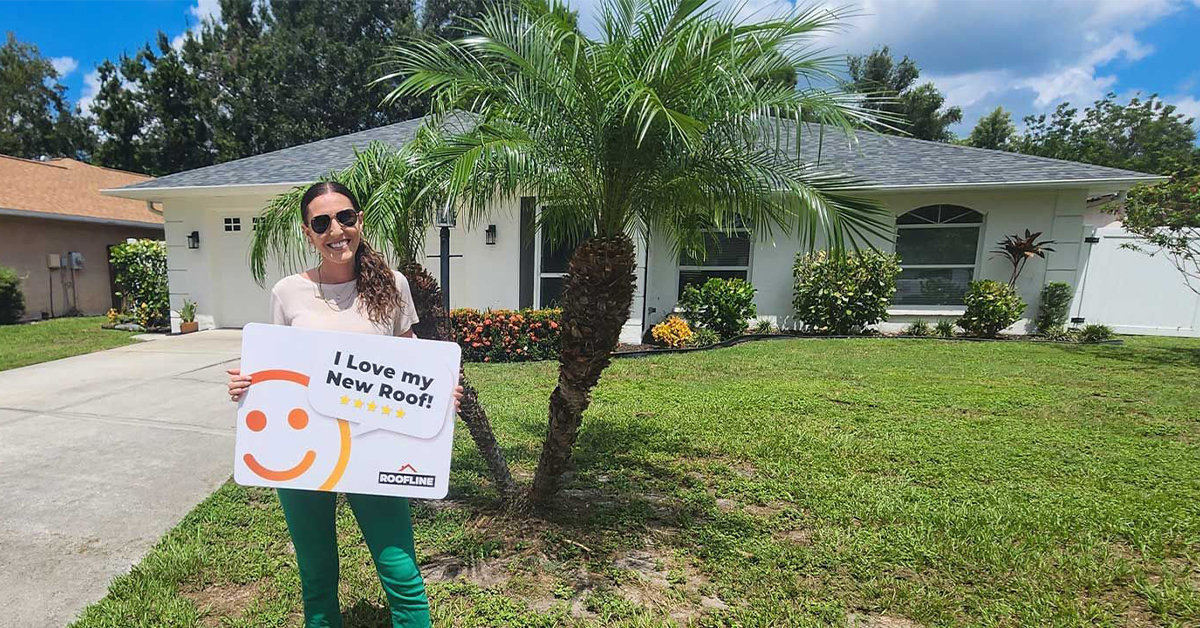
I would highly recommend Roofline Roofing for any roofing needs. As a fellow business owner, their professionalism and efficiency stood out. They provided quality service, completed the job on time, and their pricing was fair. Very satisfied with their work!
-- Logan L.